Black Markets and Contraband: Chicago-Kent Hires Expert in Human Trafficking
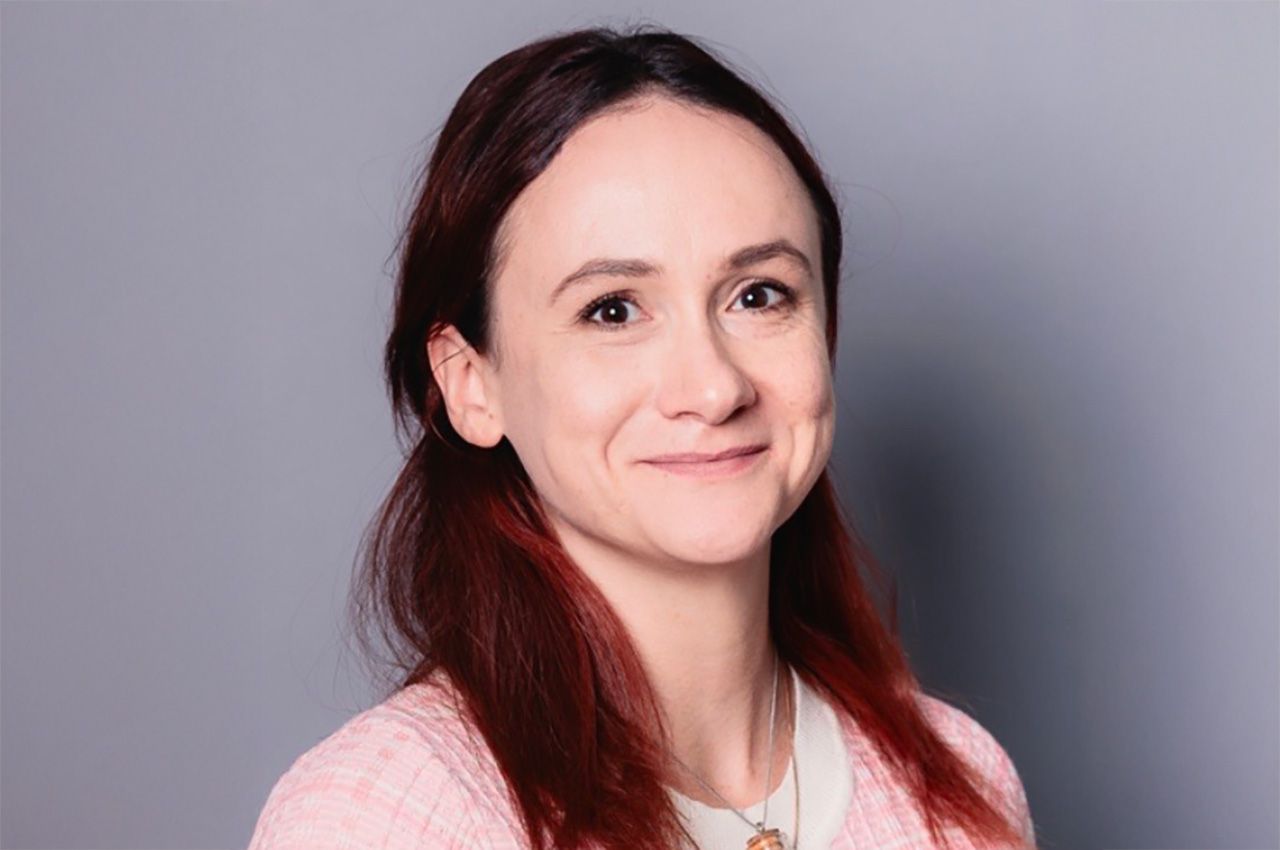
Alexandra F. L. Yelderman joined the faculty at Chicago-Kent College of Law in fall 2025. Between 2012 and 2020, Yelderman practiced at the Human Trafficking Legal Center in Washington, D.C.
“The original premise of the organization was to help trafficking victims get access to attorneys. Trafficking is illegal under federal laws and under state laws, but a lot of times victims don’t get any kind of repayment for their work, even when their traffickers are convicted. Fortunately, a Federal civil cause of action allows victims to sue their traffickers for money damages. The idea was to connect survivors with attorneys who could help them pursue cases under this cause of action.”
“We created judicial bench books and training materials and connected victims with lawyers. The goal was to increase the volume of this type of litigation, because trafficking survivors need money far more than they need pity.”
Yelderman didn’t graduate from University of Chicago Law School with a rampant desire to get into the field of human trafficking. But then she met Martina E. Vandenberg, who was in the process of founding the Human Trafficking Legal Center, and the two clicked.
“She asked if I wanted to work for her organization,” says Yelderman. “I truly thought she called the wrong person, because the opportunity was every newly minted lawyer’s dream: to collaborate with an incredibly prestigious attorney on deeply meaningful subject matter.”
Yelderman found the work fascinating. She became especially riveted by the relationship between exploitation, black markets, and the internet. She was even retained as an expert witness in the case involving Backpage, a now-defunct website that faced years of legal troubles after people started using it as an online black market for sex work.
“Once sex work appeared on that website, people immediately started assuming it was all sex trafficking,” she says. “While unfortunately there were some people trafficked on Backpage, there was no reason to believe it was prevalent. And more importantly, there was nothing to suggest that Backpage was at fault.”
The hysteria around Backpage inspired Yelderman to start looking more closely at black markets on the internet.
“I became interested more generally in criminalized commerce on the internet. I wanted to understand how people build trust when there’s no face-to-face interaction, when many of the usual ways of creating accountability are absent.”
She’s currently working on an article titled “Moral Arbitrage and Proxy Contraband” that explores the proliferation of fully synthetic child sex abuse material.
As legislators look at how to handle the issue, Yelderman says that the impulse is to treat synthetic materials as identical to the real thing should be questioned.
“From a legal doctrinal perspective, that’s just not supported,” she says. “The reason that child pornography does not enjoy First Amendment protection under any circumstances is because of harms to specific children—not just children in general. That harm doesn’t exist when you have fully synthetic material.”
Yelderman sees a parallel to confiscated elephant ivory. While poached ivory is illegal to buy and sell, governments have experimented with allowing stockpiles of confiscated ivory to enter the stream of commerce in order to satisfy market demand. Confiscated ivory, she argues, “is in some ways analogous to artificially generated child sexual material, insofar as it scratches the same itch as something very harmful, but without causing that same harm.”
Yelderman suggests that allowing fully synthetic child sexual material to proliferate could crowd out the market for the real thing, ultimately reducing harm.
But a competing approach to ivory stockpiles is to burn them down as visibly as possible, to send a message that ivory is never an acceptable commodity. That, Yelderman says, is essentially the approach taken when legislators treat artificially generated child sexual material as identical to the real thing.
“Which approach will make more inroads against child sexual exploitation is unknown,” Yelderman says, “but we owe it to children to think about this problem carefully, and to not let our visceral reactions dictate policy. Far too much is at stake.”
As she approaches her research that can be controversial, Yelderman is confident that her new colleagues at Chicago-Kent will support her.
“I think this faculty is astounding,” she says. “It’s the dream to be surrounded by such fiercely brilliant, supportive people. I’m just having a wonderful time."
Photo: provided